
Optymalne chłodzenie maszyn do ciągnienia drutu
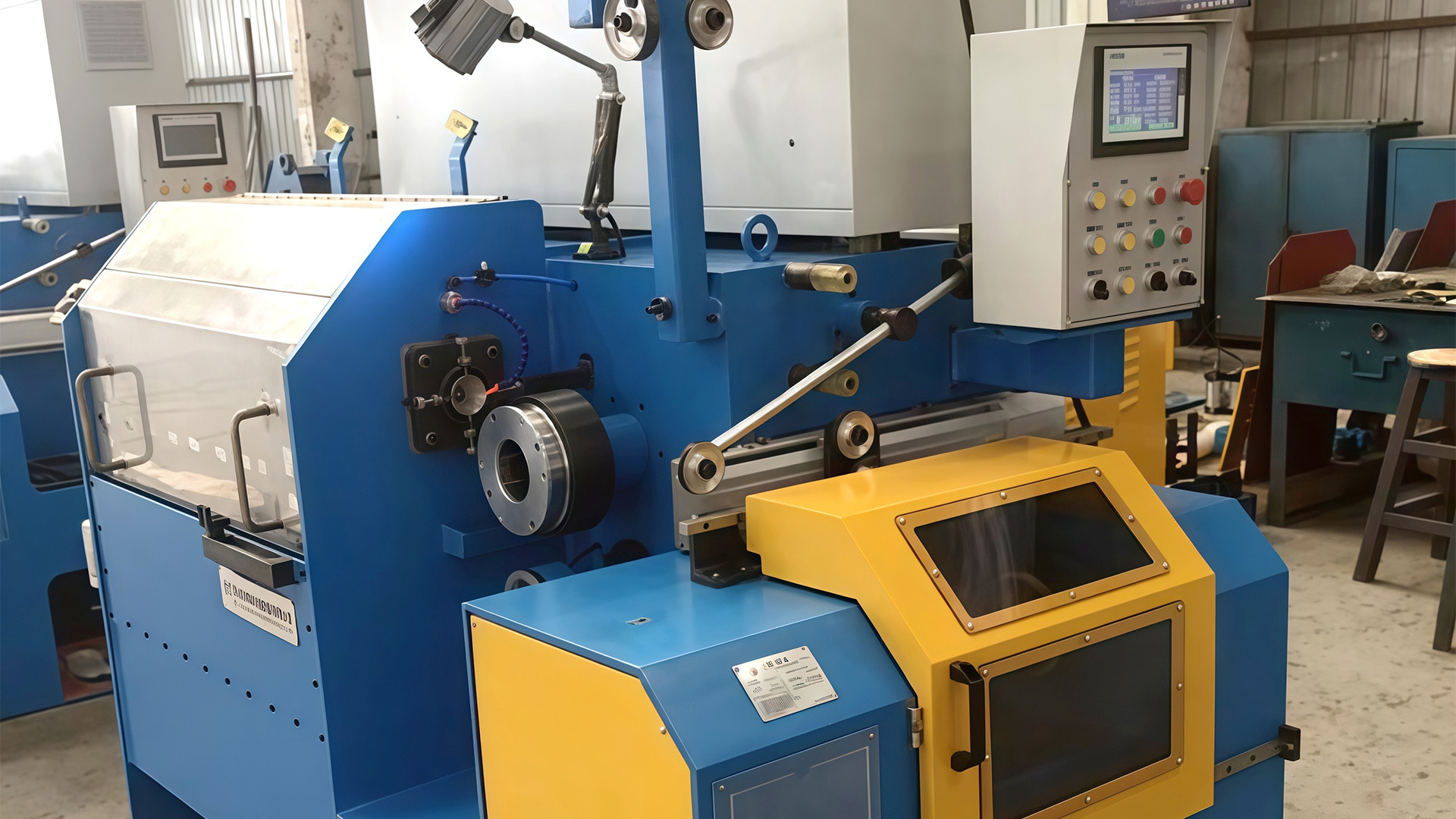
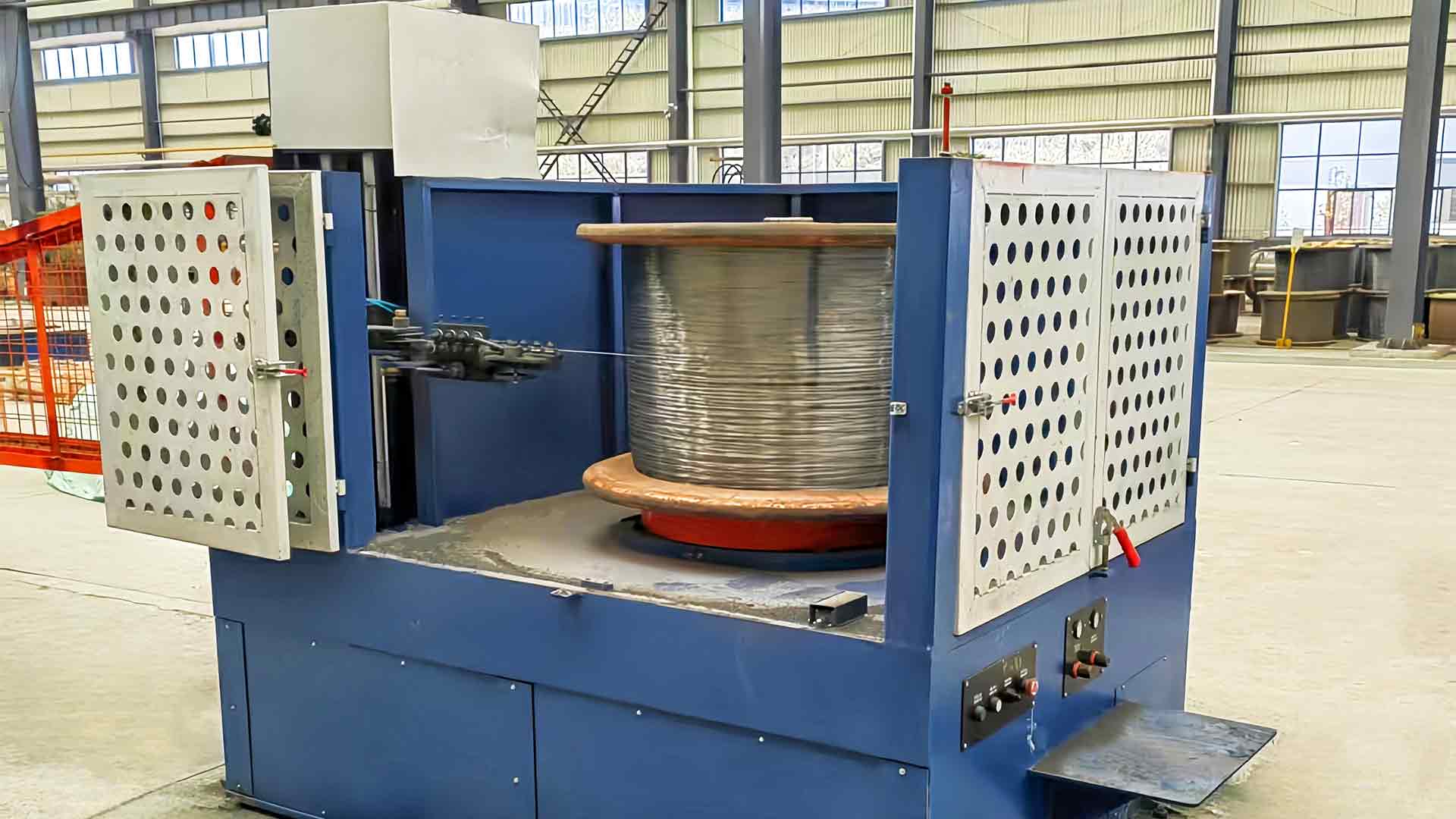
The Maszyna do ciągnienia drutu used for high-speed operations typically relies on a wodny układ chłodzenia combined with forced-air or oil lubrication to maintain die temperature and wire quality. Nowoczesne systemy często wykorzystują zbiorniki wody obiegowej z precyzyjną kontrolą temperatury, zapewniające stałe odprowadzanie ciepła, redukując wady powierzchni drutu i zapobiegając zużyciu matrycy.
Znaczenie chłodzenia w procesie ciągnienia drutu z dużą szybkością
During high-speed wire drawing, the metal wire is pulled through a series of dies at rates that can exceed 100 metrów na minutę do miedzi lub aluminium. This generates significant frictional heat at the contact points. Without efficient cooling, the following issues can occur:
- Utlenianie i odbarwienie powierzchni drutu
- Micro-cracks or surface defects reducing mechanical strength
- Przyspieszone zużycie i deformacja matryc ciągarskich
- Inconsistent wire diameter and poor dimensional accuracy
Zatem jest to solidny układ chłodzenia critical for both wire quality and machine longevity .
Types of Cooling Systems in Maszyna do ciągnienia drutus
Chłodzenie na bazie wody
The most common method involves circulating water around the die and wire path. Kluczowe funkcje obejmują:
- Chłodzenie matrycy za pomocą płaszczy wodnych
- Temperature-controlled water tanks to maintain 20–25°C for copper wires
- Flow rates adjustable between 10–50 liters per minute depending on wire gauge
Systemy chłodzenia powietrzem
Wysoka-speed operations often incorporate forced-air cooling, especially for fine wires where water may cause surface oxidation. Zalety chłodzenia powietrzem obejmują:
- Zredukowane utlenianie spowodowane wilgocią
- Ukierunkowane chłodzenie wrażliwych odcinków drutu
- Combination with water or oil cooling for hybrid systems
Układy smarowania olejowego z chłodzeniem
For specialized wires like high-strength steel or stainless steel, oil-based systems are preferred. Funkcje obejmują:
- Smaruje drut w celu zmniejszenia tarcia i zużycia matrycy
- Oil is cooled via heat exchangers to maintain temperatures around 30–35°C
- Poprawia wykończenie powierzchni drutów precyzyjnych
Porównanie metod chłodzenia
The effectiveness of a cooling system can be evaluated based on wire quality, die life, and energy efficiency. The table below summarizes typical performance metrics:
| Typ chłodzenia | Stabilność temperatury | Jakość powierzchni drutu | Umrzyj długowiecznością |
|---|---|---|---|
| Chłodzenie wodne | Wysoka | Bardzo dobrze | Umiarkowane do wysokiego |
| Chłodzenie powietrzem | Umiarkowane | Dobrze | Umiarkowane |
| Chłodzenie oleju | Bardzo wysoki | Znakomicie | Wysoka |
Praktyczne wskazówki dotyczące wdrożenia
Dla użytkowników korzystających z dużej prędkości Wire Drawing Machine zapewnienie optymalnego chłodzenia obejmuje:
- Regular monitoring of water temperature and flow rates to prevent overheating.
- Periodic cleaning of water or oil circuits to remove deposits that reduce heat transfer.
- Using hybrid cooling systems (water air or oil) for sensitive wires to balance surface quality and die protection.
- Installing sensors to detect wire temperature and adjust coolant flow automatically.
- Ensuring the cooling system is synchronized with wire speed for consistent performance.
Te kroki pomagają w utrzymaniu consistent wire diameter, superior surface finish, and prolonged die life , ultimately reducing production downtime and scrap rates.
The Wire Drawing Machine relies primarily on water-based, air-assisted, or oil lubrication cooling systems to manage heat in high-speed operations. Chłodzenie wodą jest najpowszechniejsze w przypadku drutów miedzianych i aluminiowych, natomiast smarowanie olejowe zapewnia najwyższą ochronę matrycy w przypadku materiałów specjalistycznych. Correct implementation and monitoring of these systems directly impact wire quality, production efficiency, and equipment longevity. Choosing the appropriate cooling method is therefore essential for industrial wire drawing processes.